


Explosion-Proof Air Conditioner vs Standard Air Conditioner: 7 Key Differences
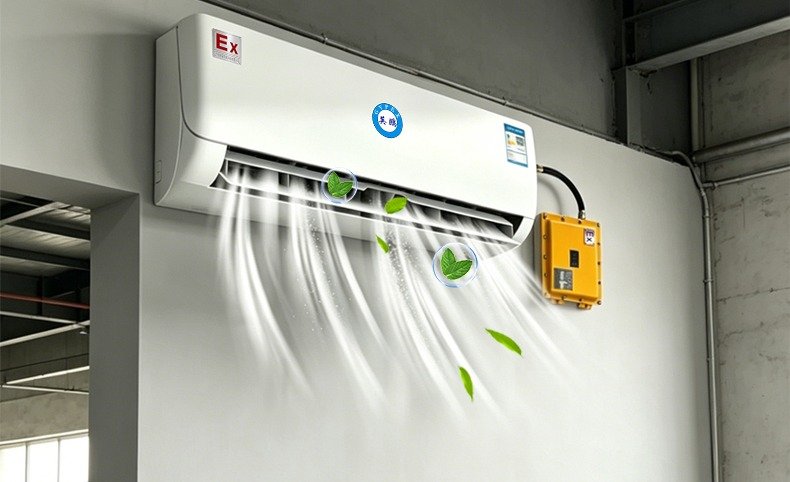
Both units cool a room. Both move warm air outside. In almost every other way, however, an explosion-proof air conditioner vs standard air conditioner comparison reveals deep differences. A standard AC can ignite a hazardous atmosphere. An explosion-proof unit cannot. This article walks through seven key differences. We cover safety, certification, cost, and lifespan. By the end, you will know which unit belongs in your facility. We also explain total cost of ownership.
Why This Comparison Matters
Explosions kill people and destroy assets. In classified areas, the cooling system is often the biggest ignition risk. A standard air conditioner contains relays, compressors, and fan motors. Any of these can spark during normal operation. For this reason, safety regulators restrict ordinary HVAC in hazardous zones. An explosion-proof air conditioner vs standard model makes this point clear: compliance starts with the equipment, not the paperwork.
Difference #1: Ignition Risk and Design Philosophy
In simple terms, a standard unit protects people from heat. An explosion-proof unit protects people from the unit itself. Manufacturers enclose electrical parts in flameproof (Ex d) housings. In addition, they limit circuit energy with intrinsic safety. Consequently, sparks and hot surfaces never reach the atmosphere. This is the core difference between the explosion-proof air conditioner vs standard air conditioner. Furthermore, flameproof joints cool escaping gases before they reach the room.
Difference #2: Certification and Compliance
In contrast, standard ACs follow general electrical standards. Explosion-proof units must pass zone-specific certification. In Europe, the ATEX Directive 2014/34/EU applies. Internationally, the IECEx scheme provides recognition. In North America, UL listing under NEC rules is common. Importantly, each certificate states the zone, gas group, and T-class. Consequently, insurance and safety audits will reject the unit without these marks. Therefore, ask for the certificate with every quotation.
Difference #3: Price
Price is the most visible gap. An explosion-proof unit costs three to five times more than a standard model. Specifically, certified components, testing, and enclosures drive the cost. However, the price difference shrinks when you count downtime and risk. One incident can cost far more than the equipment itself. Therefore, compare total cost, not just the invoice. On the other hand, financing options and volume pricing can narrow the gap.
Difference #4: Energy Efficiency
Flameproof enclosures and sealed motors add weight. In addition, they add a small efficiency penalty. Furthermore, explosion-proof units often run in harsh environments. Consequently, high ambient temperatures reduce performance. Nevertheless, modern designs narrow the gap. Check the EER and SEER ratings, because efficiency still matters for operating budgets. As a result, efficiency matters most for units that run around the clock.
Energy Efficiency in Practice
Inverter compressors change the picture. They match output to the heat load instead of cycling on and off. As a result, energy use drops during partial loads. Many certified units now offer inverter options. However, verify the efficiency data at your actual ambient temperature. Datasheet values often reflect mild conditions. Therefore, ask for high-ambient performance curves. Consequently, this data helps you compare candidates fairly.
Difference #5: Installation Complexity
Installation differs sharply between the two types. For instance, a standard split system installs in hours. An explosion-proof unit requires trained technicians, certified wiring, and careful sealing. The installer must also follow the zone rules. As a result, installation costs run higher. Plan the schedule accordingly, and use qualified contractors only. In addition, schedule the work around plant permits and audits.
Difference #6: Maintenance and Lifespan
Maintenance demands more discipline with explosion-proof units. Specifically, seals, filters, and enclosure joints need regular inspection. Corrosion protection needs periodic touch-up. In exchange, well-maintained units last 10 to 15 years. A standard AC in the same environment may fail much sooner. Hence, lifecycle cost often favors the explosion-proof design. For example, offshore sites require monthly seal checks.
Difference #7: Where Each Unit Is Allowed
This is the decisive difference. Standard ACs operate only in safe areas. Meanwhile, explosion-proof units can operate in both safe and classified areas. For example, our BFKT wall-mounted series suits Zone 1 and Zone 2 rooms. The BFKG cabinet series covers larger process buildings. Choose the type based on your zone, not on habit. In addition, portable units offer a third option for temporary zones.
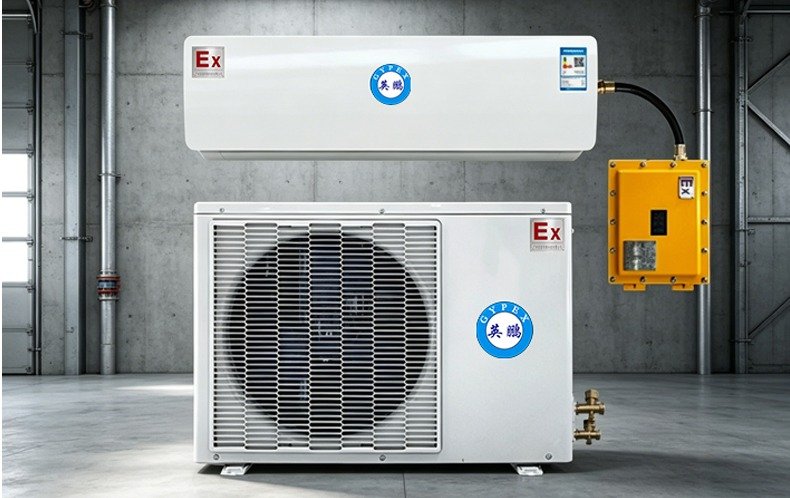
Wall, Cabinet, or Portable: Matching the Format
First, define the room size and heat load. Second, check the available mounting space. Third, review the zone certificate for each format. Therefore, the format choice follows the site survey. For example, wall units fit small rooms with solid walls. Cabinet units suit open process buildings. Meanwhile, portable units cover temporary tasks. As a result, most sites use a mix of formats. In addition, spare units improve uptime during maintenance. Furthermore, each format offers different capacity ranges. Hence, match the format to the heat load, not to habit.
Quick Comparison Table
| Feature | Standard AC | Explosion-Proof AC |
|---|---|---|
| Ignition risk | High in hazardous areas | Eliminated by design |
| Certification | General electrical | ATEX / IECEx / UL |
| First cost | Low | 3–5x higher |
| Installation | Simple | Specialist required |
| Lifespan | 5–10 years | 10–15 years |
| Allowed zones | Safe areas only | Safe + classified areas |
Costs and Payback Considerations
Many buyers ask whether the extra spend is worth it. In classified areas, the question answers itself. As a result, you have no legal alternative. In safe areas, however, a standard unit remains the economical choice. Also consider the refrigerant. Some explosion-proof units still use older refrigerants, and regulations are tightening. Check the EPA SNAP program for the latest refrigerant rules before you specify. In addition, factor in the refrigerant transition. Newer units with lower-GWP refrigerants cost a little more upfront. However, they avoid future retrofit bills. Consequently, compare life-cycle refrigerant costs too.
Total Cost of Ownership: A Closer Look
However, purchase price tells only part of the story. In fact, energy, installation, and maintenance add up over time. Therefore, build a five-year cost model before deciding. Include spares and downtime in the model. In many cases, the explosion-proof unit wins the comparison. In contrast, a standard unit in a safe area remains cheaper. So choose the model based on your actual zone, not on sticker price alone.
When Standard Air Conditioners Are Still Fine
Standard units still make sense outside classified areas. For example, offices, canteens, and storage rooms rarely need certification. However, boundaries can shift. A plant modification can turn a safe room into a hazardous one. Therefore, reclassify the area before every major change. Our guide on hazardous-area cooling explains the review process. In addition, document every decision for the safety file.
Buyer Checklist
- Confirm your area classification first, then compare units.
- Demand certificates for the exact zone and gas group.
- Calculate lifecycle cost, not just purchase price.
- Verify the refrigerant against current regulations.
- Budget for specialist installation and periodic inspection.
- Review the maintenance plan with your team.
FAQ
Can I convert a standard air conditioner into an explosion-proof one?
No. Retrofitting cannot reproduce certified design, testing, or markings. Always buy a certified unit from the start.
Is a standard AC allowed in a Zone 2 area?
Generally no. Zone 2 still counts as hazardous. Only certified equipment may enter the zone. Our guide explains the zone rules in detail.
Which type lasts longer?
Explosion-proof units usually last longer in harsh sites. Their rugged construction and sealed components resist corrosion and wear.
Do explosion-proof units use more energy?
Slightly, in most cases. The rugged construction adds weight and airflow resistance. However, modern compressors offset much of the loss.
Can I rent a certified unit for a shutdown?
Yes. Rental fleets exist for shutdowns and emergencies. Nevertheless, verify the certificate before the unit arrives.
Still unsure which unit fits your site? Email sales@blockchain-miner.com with your zone and room details. We will compare the options and recommend the right explosion-proof solution. In summary, the explosion-proof air conditioner vs standard choice is simple once you know your zone.