


Common Explosion-Proof Air Conditioner Problems and Troubleshooting
An explosion-proof air conditioner runs in a harsh environment. Eventually, something fails. A drop in cooling, a tripped breaker or a strange noise all stop work. Therefore, quick diagnosis matters. This guide covers common problems and practical fixes for explosion-proof air conditioner troubleshooting. In addition, it shows when to call the manufacturer. In short, you will reduce downtime and protect your certified equipment.
Problem 1: Weak Cooling or Low Airflow
Weak cooling is the most common complaint. First, check the air filter. A clogged filter starves the unit of airflow. Consequently, the coil freezes and capacity drops. Therefore, clean or replace the filter first. Next, check the condenser coil. Dust, pollen and chemical residue reduce heat rejection. In addition, verify the fan runs at full speed. Furthermore, inspect the supply and return openings for obstructions. In fact, start any explosion-proof air conditioner troubleshooting session with the filter.
Then measure the supply air temperature. Compare it with the nameplate rating. If the temperature is high, check the refrigerant charge. However, only a certified technician should open the sealed circuit. In addition, check the door and window seals in the room. In fact, air leakage often explains poor performance more than unit faults. Consequently, fix the room envelope before you blame the machine.
Problem 2: The Unit Trips or Fails to Start
A unit that will not start usually has an electrical cause. First, check the isolator and the main breaker. Then inspect the control voltage and fuses. In addition, verify the thermostat setting and time delay. Many units protect the compressor with a restart delay. Consequently, wait a few minutes before assuming a fault. Moreover, check the phase sequence on three-phase models.
Check the alarm codes on the controller. Modern units display error codes for phase loss, high pressure and sensor faults. For example, a high-pressure trip often means a blocked condenser. Similarly, a low-pressure trip suggests a refrigerant leak. In every case, record the code first. Then contact a qualified service team. Importantly, never bypass safety devices on certified equipment. In fact, effective explosion-proof air conditioner troubleshooting begins with the error code.
Problem 3: Odd Noises and Vibration
New noises deserve attention. A rattling sound often comes from loose panels or brackets. First, check all mounting bolts. In addition, inspect the fan blades for debris. Then listen to the compressor. A humming compressor may indicate a failing start capacitor. Meanwhile, a metallic knock often signals internal wear. In contrast, a hissing sound can mean a refrigerant leak. Therefore, locate the source before you order parts.
Vibration also affects performance. Loose fixings allow the unit to shake. Consequently, refrigerant lines can rub and leak. Therefore, tighten all supports and check the pipe clips. Moreover, confirm that the unit sits level. In short, fix small noises before they become large failures. In addition, keep a log of when each noise appears. Consequently, a logical explosion-proof air conditioner troubleshooting order saves hours.
Problem 4: Water Leakage and Condensate Problems
Water around the unit usually points to the drainage system. First, check the condensate drain line. A blocked line overflows the pan. In addition, inspect the pan for cracks and corrosion. Then check the insulation on the suction line. Poor insulation causes sweating and drips. Furthermore, a tilted unit drains poorly. Therefore, verify the level and the drain slope.
In humid areas, condensate volume rises sharply. Consequently, ensure the drain line size matches the unit capacity. In addition, keep the drain outlet clear of dust and insects. Notably, standing water damages floors and electronics. Therefore, solve drainage problems early. Moreover, check the drain heater if the unit runs in winter. In short, add drainage checks to your explosion-proof air conditioner troubleshooting routine.
Problem 5: Error Codes and Remote Alarms
Modern units monitor themselves continuously. When a sensor fails, the unit shows an error code. First, check the sensor connections and wiring. Then test the sensor resistance against the manual. In addition, verify the communication link for remote monitoring. A loose RS485 or Modbus connection causes false alarms. Similarly, a weak signal can drop data on cloud platforms. Consequently, inspect the cable and termination points.
Record every alarm in the maintenance log. Then compare the pattern with past events. For example, repeated high-pressure alarms suggest a systematic problem. In contrast, a single event may be weather-related. Therefore, use the log to guide repairs. Moreover, share the log with the manufacturer for remote diagnosis. In short, data turns guesswork into a plan. Notably, remote alarms simplify explosion-proof air conditioner troubleshooting. In addition, verify the alarm settings match the room limits. Then adjust the thresholds with the manufacturer. Consequently, false alarms drop and real faults stand out. Moreover, test the remote alarm path quarterly. In short, an alarm you never see is useless.
Preventive Maintenance vs Reactive Repair
Reactive repair costs more than prevention. Therefore, build a simple schedule. First, change filters quarterly. Next, clean the condenser coils. Then check the electrical connections. In addition, verify the condensate drain. Consequently, small tasks prevent large failures. Moreover, log every inspection. The log reveals patterns before breakdowns.
Preventive work also protects certification. A certified unit must stay in original condition. Therefore, use approved parts only. In addition, document any repair with the manufacturer. Consequently, the certificate remains valid. In short, a structured explosion-proof air conditioner troubleshooting routine cuts downtime. In fact, maintenance protects both uptime and compliance.
Build the routine around the seasons. In spring, check the condenser and fans. In summer, monitor pressures during peak load. In autumn, inspect the door seals and gaskets. In winter, verify the drain heater and heating mode. In addition, review the alarm log every month. Consequently, you spot trends early. Moreover, assign one person to own the schedule. Therefore, tasks never get lost in shift handovers.
When to Call the Manufacturer
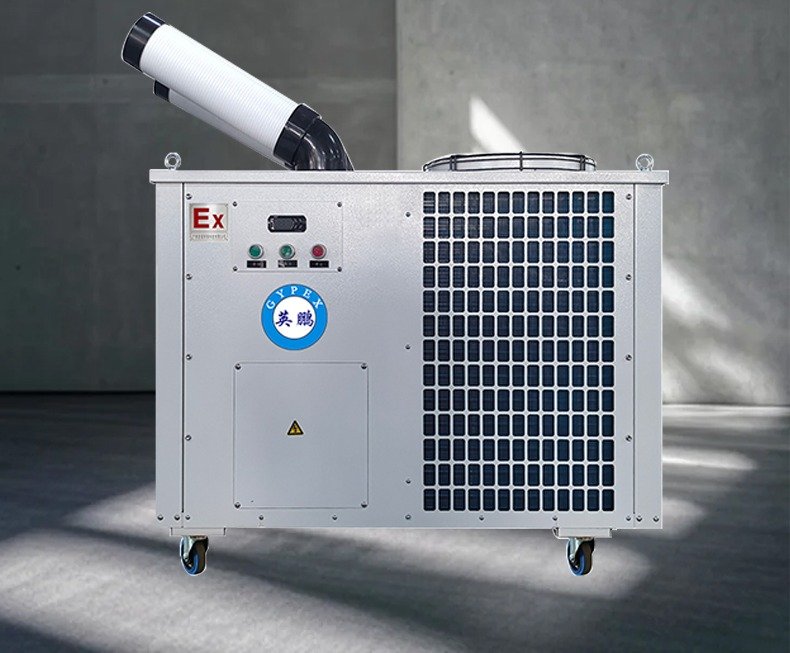
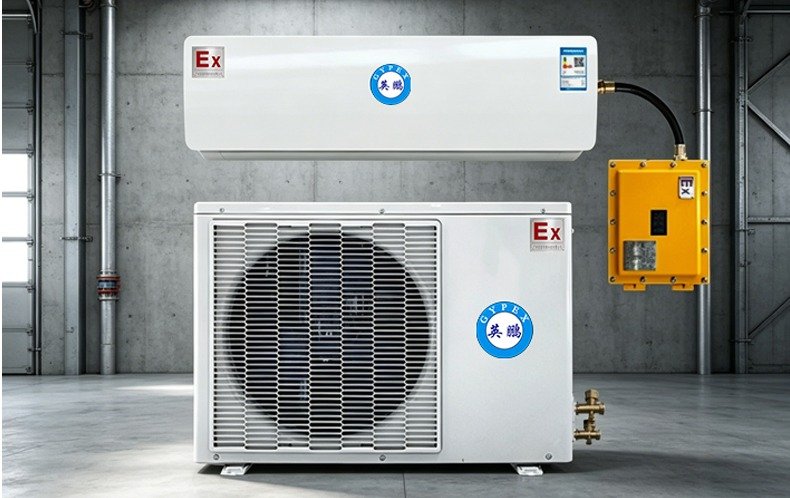
Some tasks require factory support. Refrigerant work needs a certified technician. In addition, enclosure repairs affect the explosion-proof certificate. Therefore, never modify certified parts on site. Instead, contact the manufacturer for drawings and approved parts. For example, we support our wall-mounted and portable explosion-proof air conditioners with spares and service advice. In addition, our 2026 trends article explains how remote monitoring changes maintenance planning.
Always follow the standards behind your certification. The IEC 60079 series guides safe installation and repair. Moreover, refrigerant handling rules keep changing. The U.S. EPA SNAP program tracks approved refrigerants. Consequently, keep your service team updated on both.
Buyer Checklist: Build a Troubleshooting Kit
- Keep spare filters, fuses and sensors on site.
- Store the certificate, manual and wiring diagram nearby.
- Log every alarm code with date and time.
- Train operators on isolator and reset procedures.
- Schedule quarterly filter and coil checks.
- Arrange an annual certified service visit.
- Use only approved spare parts.
FAQ
Why does my explosion-proof AC freeze up?
A dirty filter or low refrigerant charge causes icing. First, check the filter. Then call a certified technician for the charge.
Can I reset the unit myself?
Yes, for normal trips. Wait for the restart delay. However, repeat trips need professional diagnosis. In short, do not disable safety controls.
What is the first step in troubleshooting?
Read the error code and check the filter. In addition, record the exact symptoms. Consequently, the technician gets a clear picture. In short, our top explosion-proof air conditioner troubleshooting tip is to keep a log.
How often should service happen?
Typically, quarterly checks plus at least one annual service. Harsh sites may need more. In addition, log every service for compliance.
Need explosion-proof air conditioner troubleshooting support? Contact LONTU with the model and error code. Our team will guide the repair or supply certified spares. For service support and quotations, email sales@blockchain-miner.com.