


Zone 1 vs Zone 2 vs Zone 21: Choosing the Right Explosion-Proof AC
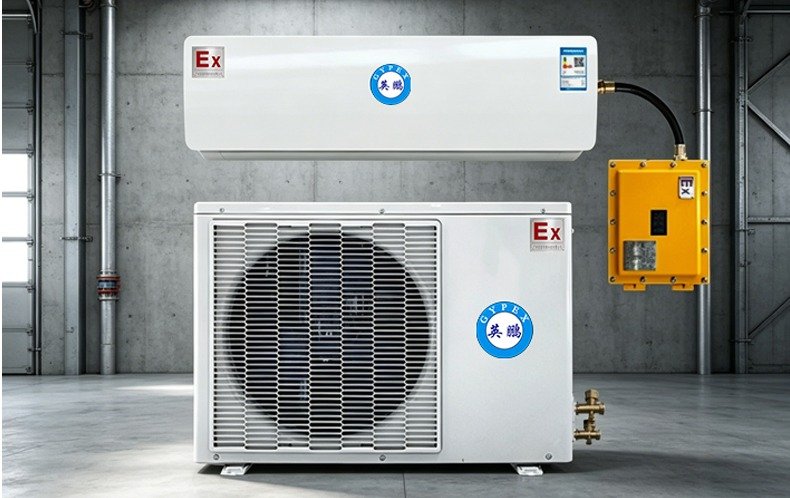
Hazardous areas are not all the same. The risk level differs from zone to zone. Consequently, the equipment rules differ too. Many buyers ask about zone 1 vs zone 2 air conditioner selection. This article explains the differences clearly.
We cover gas zones and dust zones. In addition, we show how the zone drives certification, marking and price. Finally, we include a comparison table and a buyer checklist. For a broader overview, read our explosion-proof air conditioner guide.
Zone Classification Basics
The IEC 60079 series defines hazardous area zones. Gas and vapor zones include Zone 0, Zone 1 and Zone 2. Dust zones include Zone 20, Zone 21 and Zone 22. The zone number reflects how often an explosive atmosphere appears.
Zone 0 means a flammable atmosphere is present continuously. Zone 1 means it appears occasionally in normal operation. Zone 2 means it appears rarely and only for short periods. Similarly, Zone 20, 21 and 22 follow the same logic for dust clouds.
Most air conditioning applications sit in Zone 1 or Zone 2. Therefore, this article focuses on those two. However, we also cover Zone 21 because dust hazards are common in storage and processing.
Zone 1 vs Zone 2: Key Differences
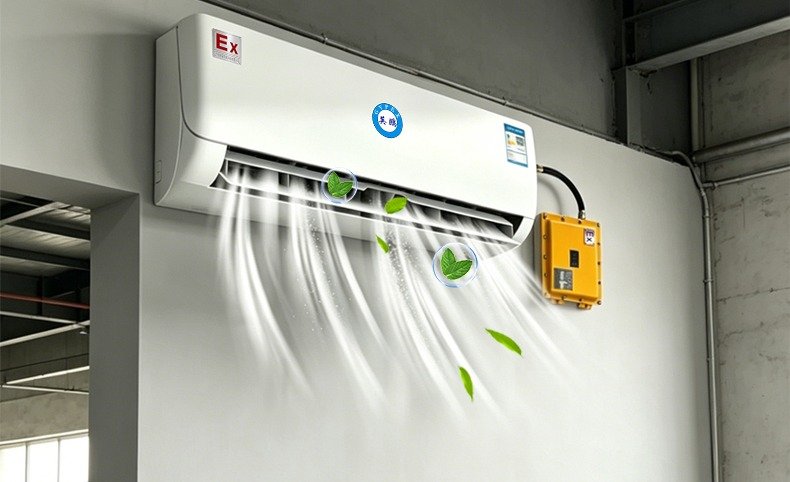
Zone 1 demands a higher level of protection. Explosive atmospheres may exist during normal operation. Therefore, the equipment must prevent ignition under likely fault conditions. Zone 2 permits a lower protection level. Flammable atmospheres appear rarely and briefly.
| Factor | Zone 1 | Zone 2 |
|---|---|---|
| Atmosphere presence | Occasionally in normal operation | Rarely, for short periods |
| ATEX equipment category | Category 2G | Category 3G |
| Typical protection | Flameproof (Ex d), Ex e, Ex i | Ex n, Ex e, Ex i |
| Marking example | Ex d IIB T4 | Ex nA IIB T4 |
| Relative cost | Higher | Lower |
As a result, a Zone 1 unit costs more. It needs heavier enclosures and stricter testing. Meanwhile, a Zone 2 unit is lighter and cheaper. However, you cannot use a Zone 2 unit in a Zone 1 area.
Zone 21 and Dust Hazards
Dust zones create different risks. Zone 21 covers areas where a dust cloud appears occasionally. Flour, coal, metal powder and chemical dust all qualify. In these areas, surface temperature matters as much as spark control.
Dust can settle on hot surfaces. Over time, it forms layers that insulate and ignite. Therefore, the unit’s surface temperature class must stay below the dust’s ignition temperature. In addition, enclosures need dust-tight seals (IP6x).
Some units carry dual certification for gas and dust zones. For example, an air conditioner marked Ex d IIB T4 and Ex tb IIIC T130 °C can serve both Zone 1 and Zone 21. Consequently, dual-rated units simplify site stock.
How the Zone Choice Affects Air Conditioner Selection
The zone determines the equipment category under the ATEX Directive 2014/34/EU. Zone 1 requires Category 2G equipment. Zone 2 accepts Category 3G. The marking on the nameplate must match your area classification.
In practice, many buyers choose Zone 1-rated units even for Zone 2 areas. This approach offers flexibility. The same unit can move between areas without re-qualification. In contrast, it costs more upfront. Therefore, weigh flexibility against budget.
Also consider gas group and temperature class. Gas groups IIA, IIB and IIC represent increasing hazard. T-classes range from T1 to T6. Match both to the site’s gas analysis. For example, hydrogen needs IIC and often T4 or better.
Common Misconceptions About Zones
Myth one: Zone 2 needs no certification. In fact, Zone 2 still requires Category 3G equipment. The protection level is lower, but the rules remain mandatory.
Myth two: a higher zone rating always costs more. While true in general, dual-rated units often simplify stock. Consequently, the overall project cost may fall. Therefore, compare the total picture.
Myth three: dust zones are easier than gas zones. In contrast, dust layer ignition adds a hidden risk. Surface temperatures and cleaning schedules demand real attention.
Worked Example: Choosing a Unit
Consider a pump shelter classified Zone 2, IIB T3. A Category 3G unit with Ex nA marking fits. Therefore, choose the lower-cost Zone 2 model. This decision keeps compliance and budget in balance.
Now consider a paint mixing room in Zone 1, IIB T4. This area needs Category 2G equipment. Choose a flameproof unit rated Ex d IIB T4. As a result, the selection follows the zone directly. In practice, this zone 1 vs zone 2 air conditioner logic applies to every project.
Buyer Checklist for Zone-Based Selection
- Confirm the zone: review the hazardous area drawing with your safety engineer.
- Identify the gas or dust: obtain the site’s material safety data.
- Match the marking: verify category, gas group and T-class on the nameplate.
- Check certificates: request ATEX and IECEx certificates with the quotation.
- Consider dual certification: choose units covering both gas and dust zones where useful.
- Plan for change: Zone 1-rated units give more flexibility for future reclassification.
How Zone Ratings Affect Price and Lead Time
Zone 1 units cost more than Zone 2 models. Consequently, the budget differs. However, the gap is smaller than many expect. Therefore, compare both options before deciding.
Lead times vary as well. Zone 1 units need more testing. As a result, they take longer to produce. In contrast, Zone 2 units ship faster. Overall, plan procurement around these facts.
Upgrading an Existing Installation
Many sites upgrade from Zone 2 to Zone 1. In that case, the existing unit may not qualify. Therefore, verify the marking first. In addition, check the certificate validity. A zone 1 vs zone 2 air conditioner review clarifies the path.
Upgrades also affect ducting and power. Therefore, plan the work carefully. In conclusion, involve the manufacturer early. Consequently, the transition stays smooth.
In addition, check the temperature class against the gas. For example, a solvent with a low auto-ignition temperature needs T4 or better. Therefore, the zone 1 vs zone 2 air conditioner choice also depends on T-class. In short, gather all data before comparing units.
Finally, remember that marking must match the certificate. A nameplate alone proves nothing. Therefore, request the certificate file. In practice, the zone 1 vs zone 2 air conditioner decision rests on documents, not promises.
Moreover, keep the selection document. It records the zone 1 vs zone 2 air conditioner rationale. Consequently, future audits become easier. Therefore, file it with the certificate.
In addition, document every decision. Photos, drawings and emails create an audit trail. As a result, future projects start from proven ground.
FAQ
Can a Zone 2 air conditioner run in a Zone 1 area?
No. Zone 1 requires Category 2G equipment. A Zone 2 unit (Category 3G) does not meet that protection level.
Do dust zones need different air conditioners?
Yes. Dust zones need dust-tight enclosures and a suitable surface temperature class. Check for Ex t or Ex tb marking.
What markings should I look for on the nameplate?
Look for the protection concept, gas group and temperature class. For example, Ex d IIB T4 or Ex nA IIC T3.
Is a Zone 1 unit always better than a Zone 2 unit?
Not always. Zone 1 units cost more. Choose the zone-accurate unit unless future reclassification is likely.
Can one unit cover both gas and dust zones?
Yes, if it carries dual Ex d / Ex t certification with a suitable T-class. Verify the marking before use.
Where can I find the zone classification for my site?
Check the hazardous area drawing and the site safety dossier. In addition, ask your safety engineer for the gas group and T-class data. Therefore, the zone 1 vs zone 2 air conditioner selection starts with accurate site data.
Conclusion
Zone classification drives equipment choice. The zone 1 vs zone 2 air conditioner decision comes down to atmosphere frequency, protection level and budget. In conclusion, verify the zone, match the marking and keep certificates on file.
Unsure which zone rating your project needs? Contact us at sales@blockchain-miner.com. Send your hazardous area drawing and gas data. We will recommend the right BFKG cabinet or BFKT wall-mounted unit with the correct zone certification.