


Class I Division 1 vs Division 2 HVAC: NEC Rules Explained
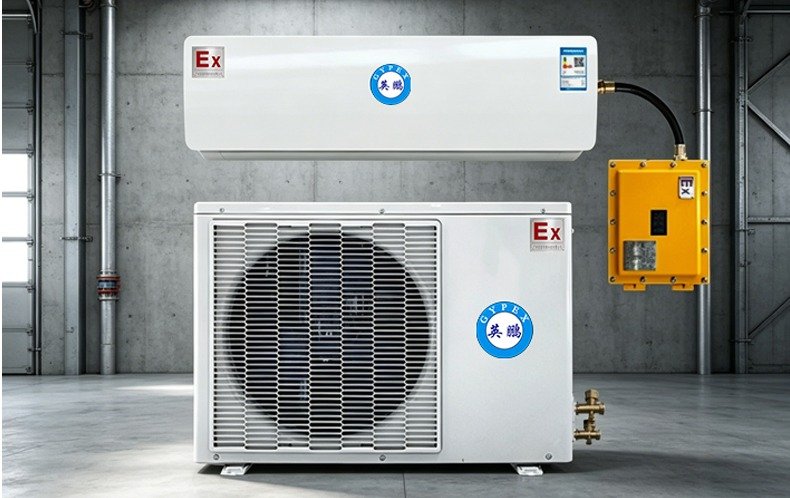
Class I Division 1 vs Division 2 HVAC: NEC Rules Explained North American plants classify hazardous areas with the NEC. The Class I Division system is common across refineries, chemical plants and paint facilities. Many buyers struggle with Division 1 versus Division 2. In addition, they wonder which class i division 1 air conditioner they […]
How Much Does an Explosion-Proof Air Conditioner Cost in 2026?
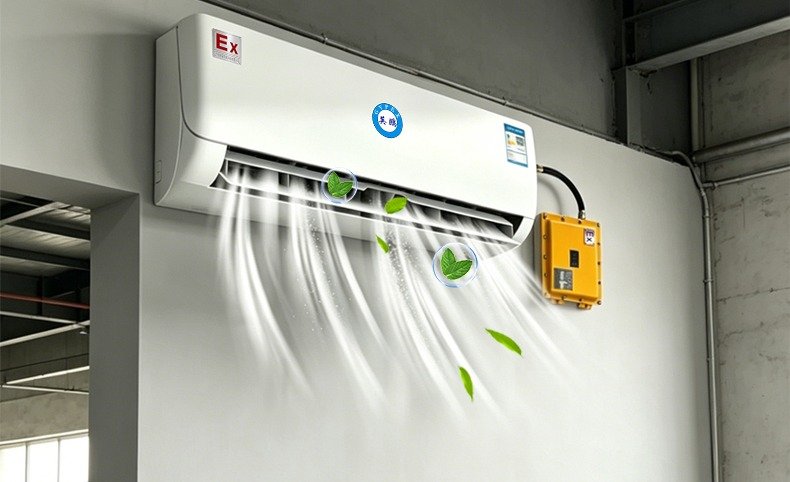
How Much Does an Explosion-Proof Air Conditioner Cost in 2026? Budgeting for hazardous-area cooling surprises many buyers. The explosion-proof air conditioner cost is higher than a standard unit. However, the price gap has narrowed over the years. This article breaks down 2026 pricing, cost drivers and total ownership costs. We share realistic ranges and explain […]
Zone 1 vs Zone 2 vs Zone 21: Choosing the Right Explosion-Proof AC
Zone 1 vs Zone 2 vs Zone 21: Choosing the Right Explosion-Proof AC Hazardous areas are not all the same. The risk level differs from zone to zone. Consequently, the equipment rules differ too. Many buyers ask about zone 1 vs zone 2 air conditioner selection. This article explains the differences clearly. We cover gas […]
Cooling Battery Rooms and EV Labs with Explosion-Proof Air Conditioners

Battery rooms are appearing in every corner of industry. EV manufacturing lines, energy storage systems, telecom backup plants and forklift charging stations all depend on them. What many facility managers miss, however, is that these rooms are officially hazardous areas. Lead-acid charging releases hydrogen. Lithium systems can emit flammable electrolyte vapors under fault. Consequently, the […]
Explosion-Proof Air Conditioning for Hazardous Material Warehouses
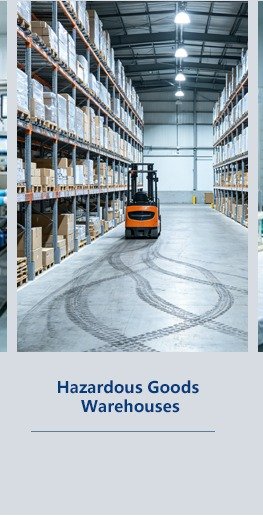
Hazardous material warehouses store some of the most dangerous goods in industry. Flammable liquids, aerosol cans, reactive chemicals and compressed gases sit side by side on racks. Temperature directly affects how those goods behave. A hot warehouse raises vapor pressure, accelerates degradation and can turn a minor leak into a serious incident. An explosion-proof air […]
Explosion-Proof Air Conditioners for Oil and Gas Facilities
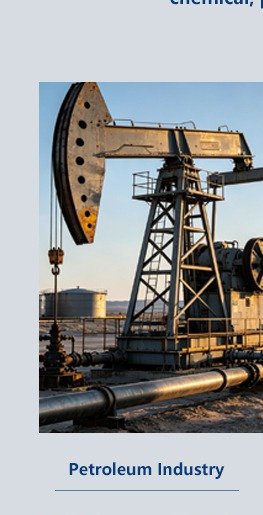
Explosion-Proof Air Conditioners for Oil and Gas Facilities Oil and gas facilities are hot, remote, and hazardous. Gas compressors run around the clock. Control rooms house sensitive electronics. Analyzer shelters protect critical instruments. All of these spaces need cooling. None of them tolerate ignition sources. That is why the explosion-proof air conditioner for oil and […]
Explosion-Proof HVAC for Chemical Plants: Compliance and Selection
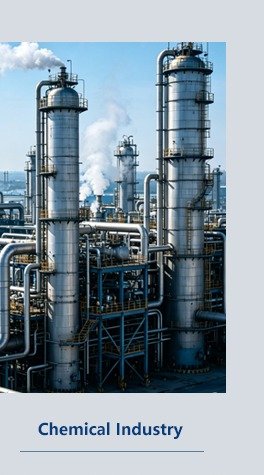
Chemical plants rank among the most demanding environments for HVAC equipment. Flammable gases, corrosive vapors and strict area classification rules all shape the cooling decision. A standard air conditioner can become an ignition source within seconds. Therefore, facility managers need an explosion-proof air conditioner chemical plant operators can rely on day after day. This guide […]
ATEX vs IECEx Certification: What It Means for Explosion-Proof HVAC
ATEX vs IECEx Certification: What It Means for Explosion-Proof HVAC Two certification systems dominate the hazardous-area market. One is European. The other is global. Both prove that equipment is safe for explosive atmospheres. However, they differ in legal basis, scope, and acceptance. This article explains the ATEX vs IECEx question in plain terms. We focus […]
Explosion-Proof Air Conditioning Trends 2026: IoT, Efficiency & Refrigerant Changes
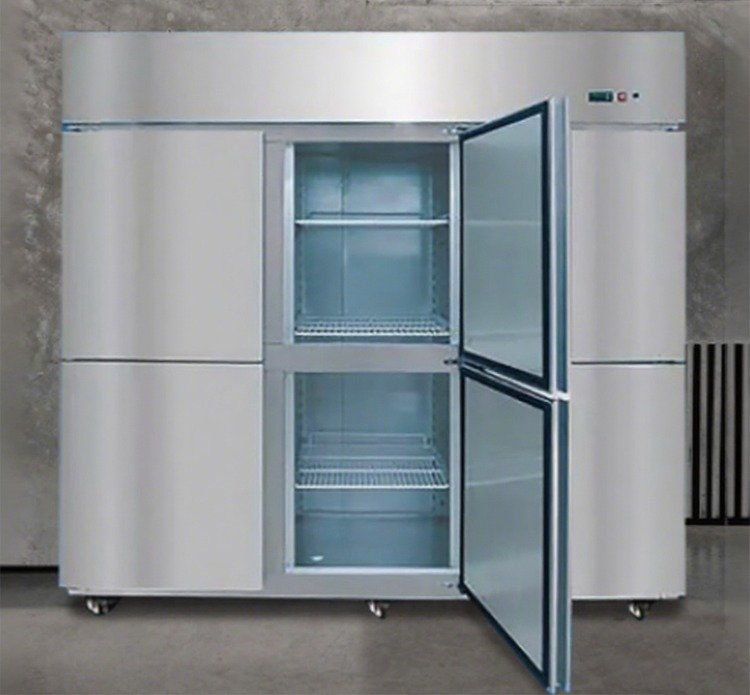
Explosion-proof air conditioning used to be a niche category ordered only when a project specification forced it. In 2026, however, it is a growth market — and the technology inside hazardous-area coolers is changing faster than at any point in the last decade. Here are the trends that matter for EPC contractors, facility owners and […]
How to choose Ex d IIC Explosion Proof High Bay Light for Chemical Warehouse

How to Pick Ex d IIC Explosion Proof High Bay Lights for Chemical Warehouses Chemical warehouses hold flammable gases, vapors and combustible dust. For these risky zones, Ex d IIC explosion proof high bay lights deliver the safest, most specialized lighting solution. Standard LED high bay lights only supply basic brightness. In contrast, flameproof explosion-proof […]