


Portable Explosion-Proof Air Conditioners: Flexible Cooling for Hazardous Zones
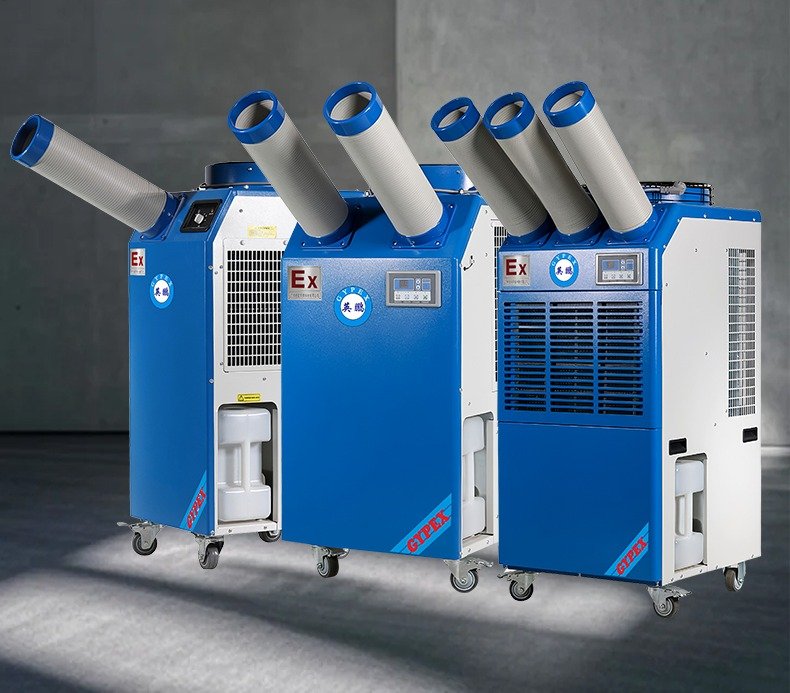
Portable Explosion-Proof Air Conditioners: Flexible Cooling for Hazardous Zones Hazardous sites rarely need the same cooling every day. Turnarounds, tank cleaning, equipment repair and temporary shelters all create short-term cooling needs. Fixed units cannot follow the work. Therefore, teams need flexibility. An explosion-proof portable air conditioner provides certified cooling exactly where the job moves. These […]
Cooling Battery Rooms and EV Labs with Explosion-Proof Air Conditioners

Battery rooms are appearing in every corner of industry. EV manufacturing lines, energy storage systems, telecom backup plants and forklift charging stations all depend on them. What many facility managers miss, however, is that these rooms are officially hazardous areas. Lead-acid charging releases hydrogen. Lithium systems can emit flammable electrolyte vapors under fault. Consequently, the […]
Explosion-Proof Air Conditioners for Paint Booths and Spray Rooms

Paint booths combine three dangerous ingredients. They hold flammable solvent vapors, they generate fine airborne particulates, and they run hot. Add an ordinary air conditioner to that mix and the result can be catastrophic. Finishing departments therefore need equipment designed for classified atmospheres. An explosion-proof air conditioner paint booth installations demand protects both operators and […]
Explosion-Proof Air Conditioning for Hazardous Material Warehouses
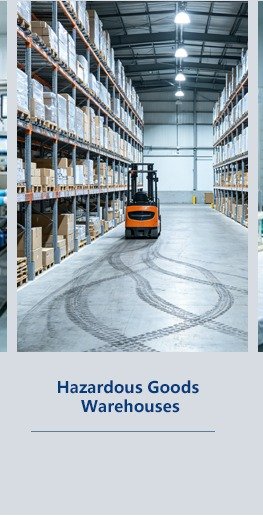
Hazardous material warehouses store some of the most dangerous goods in industry. Flammable liquids, aerosol cans, reactive chemicals and compressed gases sit side by side on racks. Temperature directly affects how those goods behave. A hot warehouse raises vapor pressure, accelerates degradation and can turn a minor leak into a serious incident. An explosion-proof air […]
How to Size an Explosion-Proof Air Conditioner: BTU and Cooling Capacity Guide
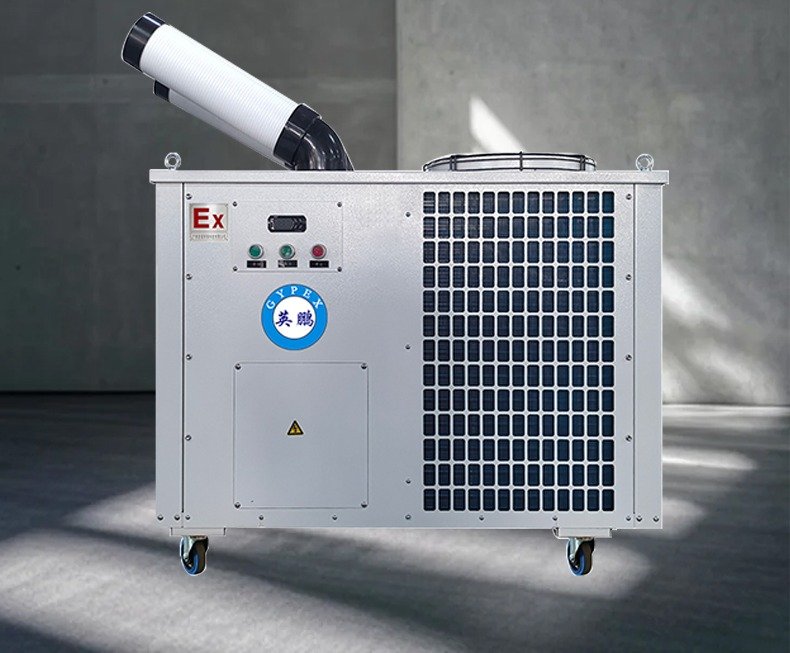
How to Size an Explosion-Proof Air Conditioner: BTU and Cooling Capacity Guide Wrong sizing causes two problems. An undersized unit never reaches the target temperature. An oversized unit short-cycles and wastes energy. In hazardous areas, both problems carry extra risk. This guide explains explosion-proof air conditioner sizing from scratch. We cover BTU calculations, heat load […]
Explosion-Proof Air Conditioners for Oil and Gas Facilities
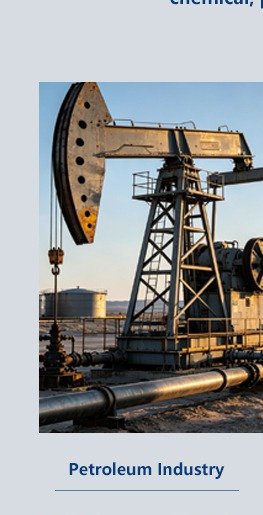
Explosion-Proof Air Conditioners for Oil and Gas Facilities Oil and gas facilities are hot, remote, and hazardous. Gas compressors run around the clock. Control rooms house sensitive electronics. Analyzer shelters protect critical instruments. All of these spaces need cooling. None of them tolerate ignition sources. That is why the explosion-proof air conditioner for oil and […]
Explosion-Proof HVAC for Chemical Plants: Compliance and Selection

Chemical plants rank among the most demanding environments for HVAC equipment. Flammable gases, corrosive vapors and strict area classification rules all shape the cooling decision. A standard air conditioner can become an ignition source within seconds. Therefore, facility managers need an explosion-proof air conditioner chemical plant operators can rely on day after day. This guide […]
What Is an Explosion-Proof Air Conditioner? A Complete Beginner’s Guide
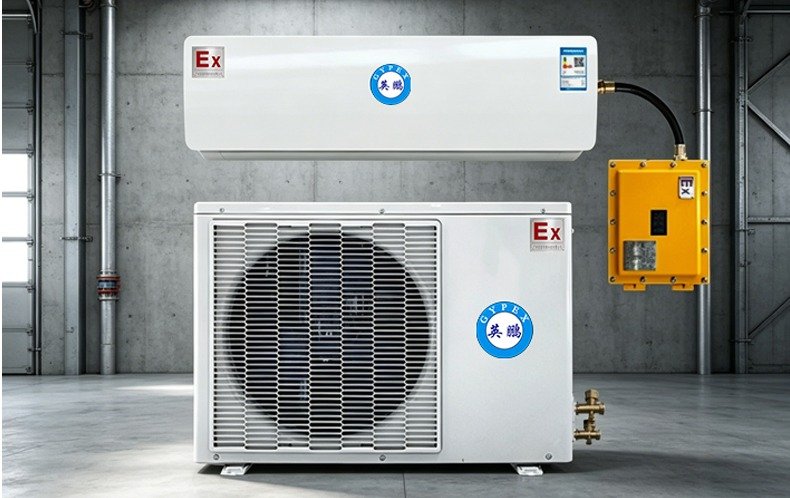
What Is an Explosion-Proof Air Conditioner? A Complete Beginner’s Guide Picture a room full of flammable gas. Now imagine a standard air conditioner switching on inside it. The relay clicks. A spark jumps. The result can be catastrophic. So what is an explosion-proof air conditioner exactly? In simple terms, it is a cooling unit built […]
Explosion-Proof Air Conditioner vs Standard Air Conditioner: 7 Key Differences
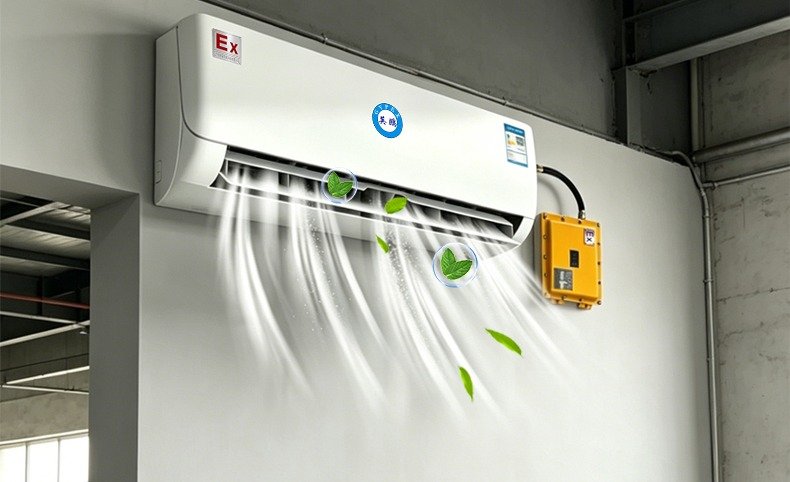
Explosion-Proof Air Conditioner vs Standard Air Conditioner: 7 Key Differences Both units cool a room. Both move warm air outside. In almost every other way, however, an explosion-proof air conditioner vs standard air conditioner comparison reveals deep differences. A standard AC can ignite a hazardous atmosphere. An explosion-proof unit cannot. This article walks through seven […]
ATEX vs IECEx Certification: What It Means for Explosion-Proof HVAC
ATEX vs IECEx Certification: What It Means for Explosion-Proof HVAC Two certification systems dominate the hazardous-area market. One is European. The other is global. Both prove that equipment is safe for explosive atmospheres. However, they differ in legal basis, scope, and acceptance. This article explains the ATEX vs IECEx question in plain terms. We focus […]