


Explosion-Proof Refrigerators: Safe Cold Storage for Hazardous Areas
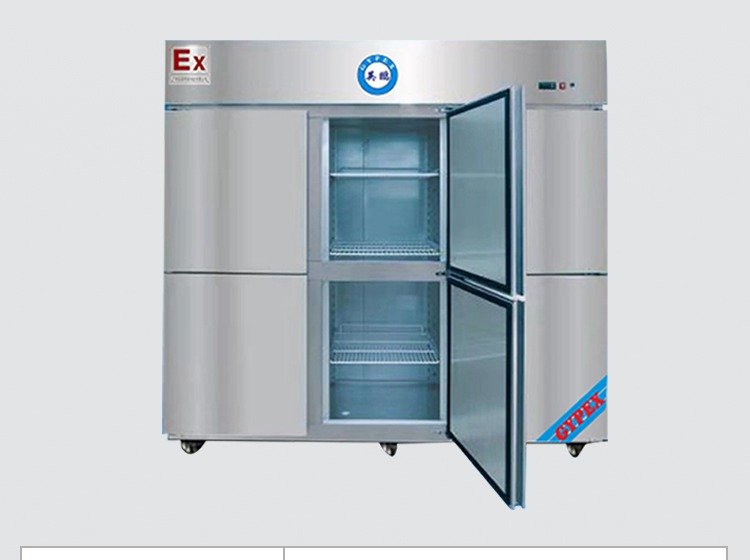
Hazardous areas need cold storage too. Flammable chemicals, lab samples and medicines all require controlled temperatures. A standard refrigerator, however, can ignite the atmosphere. Its compressor, thermostat and interior light all create sparks. Therefore, classified plants use an explosion-proof refrigerator instead. This guide explains how these units work, where they fit and how to select one. In short, you will understand the safety, capacity and refrigerant choices that matter.
Why Ordinary Refrigerators Are Dangerous in Hazardous Areas
Every refrigerator contains ignition sources. The compressor motor starts and stops frequently. The thermostat clicks on and off. The interior lamp can spark when the door opens. In a normal kitchen, these sparks are harmless. In a Zone 1 or Zone 2 room, they can ignite gas or vapor. Consequently, ordinary refrigerators are banned in most classified areas. Moreover, the ban applies to sample coolers and drink fridges alike.
The solution is certified construction. An explosion-proof refrigerator places all electrical parts inside flameproof enclosures. Alternatively, some designs use intrinsically safe circuits. In addition, the internal atmosphere stays isolated from the room. The IEC 60079 series defines the protection methods and the certification requirements. Therefore, look for IECEx or ATEX certification when you compare products.
How an Explosion-Proof Refrigerator Is Built
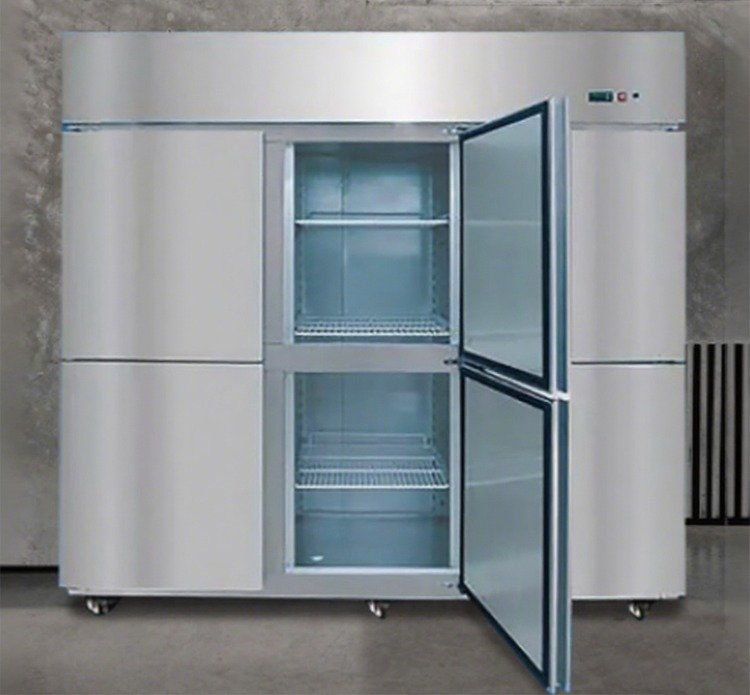
Certified refrigerators differ from standard units in several ways. First, the compressor and control box sit inside explosion-proof housings. Second, internal wiring uses sealed conduits or intrinsically safe circuits. Third, the door seal prevents gas migration. Moreover, the cabinet often uses stainless steel. This resists corrosion from chemicals and frequent cleaning. In addition, some models include alarm contacts for temperature monitoring.
Capacity is another differentiator. Industrial models range from around 500 liters to over 1,600 liters. Therefore, you can match the unit to your sample volume. Notably, the internal layout matters. Adjustable shelves, drawers and freezer compartments change usability. Consequently, review your storage needs before you order. In addition, check the door configuration. Double doors suit busy laboratories, while single doors save floor space.
Where Explosion-Proof Refrigerators Fit in Your Plant
Typical applications include laboratories, chemical warehouses and pharmaceutical plants. In addition, oil and gas facilities store lubricants and reagent samples. Paint and coating plants keep solvents and test panels. Moreover, battery labs store electrolytes and cells. In every case, the room classification decides the required certificate. For example, a Zone 2 warehouse may accept a lighter design than a Zone 1 lab.
Our BL-BXG explosion-proof stainless steel refrigerator series covers 500 L, 1,000 L and 1,600 L formats. It suits chemical and pharmaceutical environments. Furthermore, it pairs well with our cabinet explosion-proof air conditioners for complete room climate control. In addition, our main buyer guide covers the wider cooling portfolio.
Selecting Capacity, Temperature and Refrigerant
First, define the storage temperature range. Most units offer fridge-only or fridge-freezer combinations. Next, calculate the required volume. Add 20% headroom for future samples. Then check the ambient temperature of the room. High-ambient installations need robust compressors. In addition, confirm the power supply voltage and frequency. Therefore, list these values before you compare quotations.
Refrigerant policy also matters. High-GWP refrigerants face tightening regulation worldwide. The U.S. EPA SNAP program restricts several common refrigerants. Therefore, ask which refrigerant your unit uses. Then confirm serviceability in your region. In short, choose a design that stays serviceable for ten years or more. In addition, check the energy rating. Efficient compressors cut running costs in 24/7 applications.
Consider the service environment carefully. Coastal plants need enhanced corrosion protection on the condenser and frame. Chemical plants may require explosion-proof light fittings and locks. Moreover, some facilities demand temperature recording for compliance. Consequently, list every special requirement in the enquiry. Then the supplier can quote a complete solution.
Food, Pharma and Laboratory Storage: Extra Considerations
Different industries add different requirements. Laboratories store reagents at precise temperatures. Therefore, temperature stability matters more than capacity. In addition, some samples need locked compartments. Consequently, choose units with secure locks and alarm contacts. Pharmaceutical plants often require temperature recording. Therefore, check whether the unit supports data logging or BMS integration.
Food storage in hazardous areas is common too. Worker canteens inside classified plants need certified coolers. In addition, medical rooms store vaccines and blood products. Consequently, define the acceptable temperature range clearly. Then confirm the unit maintains that range under summer loads. In short, match the specification to the product stored. Moreover, plan the defrost cycle. Automatic defrost saves labor in busy facilities.
Also consider door opening frequency. Laboratories open doors often. Consequently, frost builds faster. Therefore, choose a unit with a strong defrost cycle. In addition, check the interior lighting. Certified units use sealed LED lamps. Consequently, they stay safe and efficient. Moreover, review the door seals annually. Worn seals waste energy and raise temperatures. In short, list every operational detail in your specification.
Rental, Delivery and Lead Time Planning
Refrigerators are long-lead items in some markets. Therefore, order early for new facilities. In addition, confirm the delivery route and access path. Some units exceed 1,600 liters and weigh heavily. Consequently, plan the doorway and floor loading. Moreover, check the power point location. A dedicated circuit avoids nuisance trips. In short, logistics affect the project schedule.
Rental units offer temporary relief. During turnarounds or equipment failure, a certified rental refrigerator keeps samples safe. Therefore, ask your supplier about rental options. In addition, verify the rental unit carries current certification. Consequently, you avoid compliance gaps during the emergency. In fact, a quick rental can save a full batch of samples.
How to Verify a Supplier’s Certificate
A certificate is only useful if it is real. Therefore, ask for the certificate number and the issuing body. Then check the scope of the certificate. It must cover the exact model and the exact options you order. For example, a unit with extra alarms needs those features listed on the certificate. In addition, compare the nameplate marking with the certificate. The two must match. Consequently, you can trust the unit on arrival.
Ask about regional acceptance too. A certificate valid in Europe may not satisfy North American inspectors. Therefore, confirm the target market with the supplier. In addition, check the certificate expiry date. Recertification may be needed after major repairs. In short, keep the certificate chain intact. Notably, a photocopy of the original certificate plus the declaration of conformity completes the file. In fact, keep both documents together in one binder.
Buyer Checklist for an Explosion-Proof Refrigerator
- Confirm the zone or division, gas group and temperature class.
- Choose the right capacity with future growth in mind.
- Select fridge-only or fridge-freezer by application.
- Check stainless steel construction for chemical areas.
- Verify the certificate and nameplate markings.
- Ask about alarms, locks and temperature recording.
- Confirm refrigerant type and local service availability.
FAQ
Can I put a normal refrigerator in a hazardous area?
No. Standard refrigerators are ignition sources. Consequently, they violate safety rules and certification requirements. Always use a certified explosion-proof refrigerator unit for classified areas.
What temperatures can explosion-proof refrigerators maintain?
Most models maintain 2 to 8 degrees Celsius for the fridge section. Freezer sections typically reach minus 18 degrees or lower. Therefore, check the datasheet for your exact application.
Do explosion-proof refrigerators need maintenance?
Yes. Clean the condenser, check door seals and verify alarms. Moreover, log temperatures to prove compliance. In short, follow the manufacturer schedule.
Can I use the refrigerator for both food and chemicals?
Only if you separate the contents safely. In addition, check the manufacturer guidance. In short, keep food and chemicals in separate units where possible.
Need safe cold storage for a hazardous area? Talk to LONTU about the BL-BXG explosion-proof refrigerator range. Send your zone, capacity and temperature needs to sales@blockchain-miner.com for a quotation.