


Explosion-Proof Air Conditioners for Oil and Gas Facilities
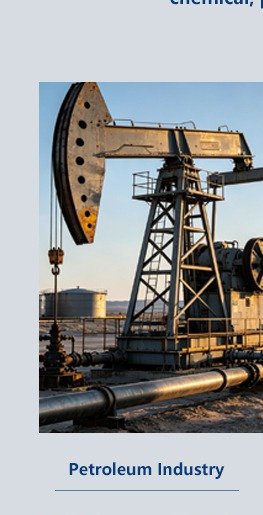
Oil and gas facilities are hot, remote, and hazardous. Gas compressors run around the clock. Control rooms house sensitive electronics. Analyzer shelters protect critical instruments. All of these spaces need cooling. None of them tolerate ignition sources. That is why the explosion-proof air conditioner for oil and gas applications has become standard equipment. This article explains where these units work and how to select them. We also compare offshore and onshore needs. In addition, we share installation and maintenance tips.
Why Oil and Gas Sites Need Explosion-Proof Cooling
Raw hydrocarbons can escape during normal operation. Valves leak. Flanges weep. Vents release vapor. As a result, regulators classify many areas around process equipment as hazardous. A standard AC in such an area is a legal and physical hazard. In contrast, a certified explosion-proof unit contains every potential spark. Hence, it is the only safe choice.
Typical Applications Across the Facility
Cooling needs appear in several locations. Control rooms require stable temperatures for electronics. Analyzer shelters protect gas chromatographs and analyzers. Pump houses and compressor buildings need ventilation and cooling. Battery rooms store UPS systems that generate heat. Telecom shelters house radio and network gear. Each location has its own zone, heat load, and layout. Every explosion-proof air conditioner for oil and gas duty must match its room’s zone.
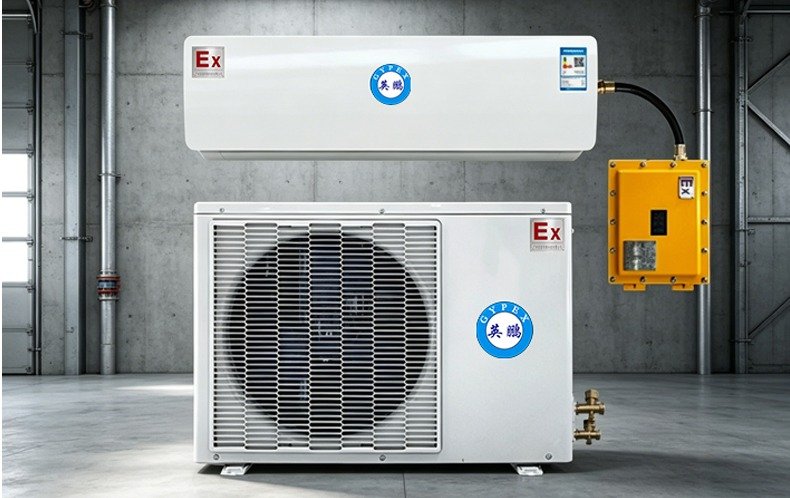
Wall-mounted units fit small shelters and rooms. The BFKT wall-mounted series covers 1 to 3 HP. Larger process buildings need cabinet units. The BFKG cabinet series extends from 2 to 40 HP. For temporary work, portable units cool maintenance tents and hot spots. In addition, consider future expansion. New wells or compressors may add heat later. Therefore, leave 10 to 20 percent capacity margin in the original design.
Cooling Control Rooms and Analyzer Shelters
Control rooms hold PLCs, servers, and operator consoles. These electronics generate steady heat. In addition, they require narrow temperature windows. Therefore, precise capacity matters, not just rough estimates. Analyzer shelters face similar demands. Gas chromatographs need stable conditions for accurate readings. Because of this, many operators install dedicated certified units in each shelter. In contrast, a central system may lose cooling if one zone fails. As a result, redundancy matters in critical shelters.
Offshore vs Onshore: Different Challenges
Offshore platforms face salt, vibration, and space limits. Consequently, units must resist corrosion and shock. Onshore plants deal with dust, heat, and wide temperature swings. For example, desert sites may see 50°C ambient temperatures. Therefore, each environment needs a tailored specification. In addition, offshore maintenance windows are short. Hence, choose units with easy filter access and robust spare parts. Meanwhile, onshore sites can plan longer shutdown windows.
Zone and Gas Group Requirements
Oil and gas sites typically fall into Zone 1 and Zone 2. Offshore platforms often include Zone 1 areas near vents. Onshore plants mostly use Zone 2 around equipment. In addition, gas group matters. Methane sits in group IIA. Hydrogen and acetylene sit in group IIC. Match the unit marking to your group. The IEC 60079 series defines these classifications.
For European projects, compliance follows the ATEX Directive 2014/34/EU. Many operators also request IECEx certificates for global fleets. Therefore, ask for both when tendering. In addition, verify the temperature class. Hot surfaces in the room limit which T-class you may install.
Sizing and Heat Load in Oil and Gas
Sizing follows the same BTU method used elsewhere. However, oil and gas rooms add special heat sources. Compressors, motors, and instrument panels release energy. In addition, ventilation rates run high to dilute gas. This fresh air brings outdoor heat with it. Therefore, include ventilation load in the calculation. For example, a compressor shelter may need double the standard factor. Furthermore, confirm the ambient rating for your climate zone.
Hazardous-Area Cooling for Battery and UPS Rooms
Battery rooms add another cooling challenge. Charging releases hydrogen and heat. Therefore, ventilation and cooling must work together. In addition, UPS rooms hold sensitive inverters. These units need steady temperatures for reliable output. Consequently, dedicated certified cooling improves uptime. For example, our wall and cabinet series both fit these rooms. Meanwhile, portable units cover emergency backup. As a result, operators can stage spares quickly. Therefore, review battery ventilation with the HVAC engineer.
Corrosion and Environmental Protection
Offshore and coastal sites attack equipment with salt. Chemical exposure adds more stress. Hence, choose stainless steel or coated enclosures. Check the IP rating too. IP65 or better suits outdoor and wash-down locations. In addition, high ambient temperatures reduce cooling capacity. Specify units rated for 50°C or higher in desert regions. Furthermore, protect cable entries and drain lines. These points fail first in harsh service. As a result, specify spare gland kits with the order.
Installation and Maintenance on Site
Installation must follow the certified design exactly. Cable entries need certified glands. Enclosure joints need correct torque. Therefore, use trained contractors for every step. After installation, run a commissioning check. Then schedule regular maintenance. Filters need cleaning or replacement. Seals need inspection for cracks. Corrosion needs early treatment. Because of this, most operators keep a written maintenance log. In conclusion, care protects both safety and performance.
Emergency and Turnaround Cooling
Turnarounds create sudden cooling needs. Maintenance tents appear overnight. Welding and testing add heat loads. Therefore, portable certified units become essential. In addition, rentals offer a fast solution. For instance, a 28 kW portable unit cools a large work tent. Meanwhile, fixed units continue protecting permanent rooms. As a result, production areas stay safe throughout the outage. In conclusion, plan portable capacity before the shutdown starts.
Selection Checklist
- Map each room’s zone and gas group first.
- Match the T-class to process temperatures.
- Select the format: wall, cabinet, or portable.
- Require ATEX and IECEx certificates.
- Choose corrosion protection for coastal or chemical sites.
- Verify voltage and frequency for the project.
- Plan for spare parts and local service.
Use this list as a tender template. In fact, most operators copy it into their specifications. Consequently, responses become easier to compare. In addition, share the checklist with your safety team.
Preparing a Complete Inquiry
A complete inquiry saves weeks of back-and-forth. First, attach the area classification drawing. Second, list each room with its dimensions. Third, note the heat sources and target temperatures. In addition, mention voltage, frequency, and ambient range. Therefore, the supplier can quote accurately. For example, include future expansion plans. Consequently, the final capacity covers growth. Finally, state the required certificates. In short, good data produces good quotations.
FAQ
Do I need an explosion-proof air conditioner for every room on a platform?
No. Only classified areas require certified units. However, mapping the zones correctly is essential. Our guide walks through the classification process.
Can portable units serve permanent rooms?
They can, but ducting and capacity limits apply. For permanent duty, fixed wall or cabinet units usually work better.
How do I keep units reliable in offshore service?
Choose corrosion-resistant materials, maintain filters, and inspect seals on schedule. Certified units last 10 to 15 years with proper care.
Can I use the same unit indoors and outdoors?
Outdoor duty demands higher IP ratings and UV protection. Therefore, tell your supplier where the unit will sit.
What certificates do most operators request?
Most tender documents ask for ATEX and IECEx together. In addition, some projects require site-specific approvals. Therefore, prepare them before you shortlist suppliers.
Planning an oil and gas cooling project? Email sales@blockchain-miner.com with your zone drawings and heat loads. We will recommend the right explosion-proof air conditioner for oil and gas duty, with certificates and pricing. In short, safe cooling keeps your production running.