


Explosion-Proof Air Conditioner Maintenance Checklist
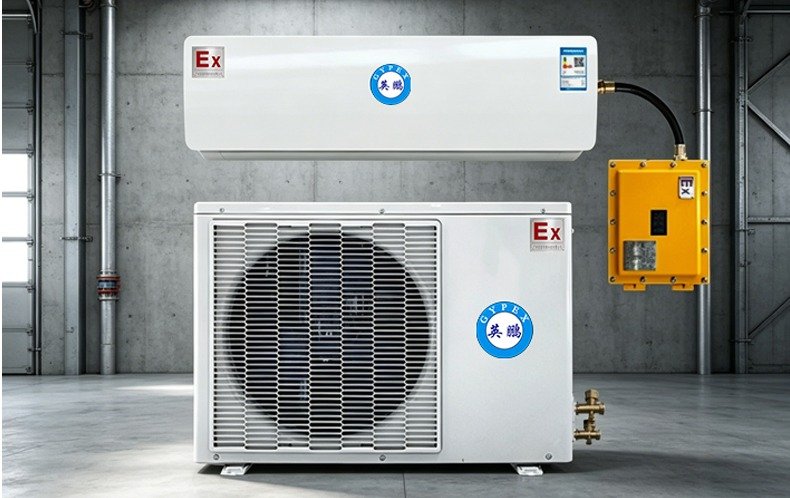
An explosion-proof air conditioner protects both people and equipment. However, certification alone is not enough. The unit must stay in certified condition. Therefore, maintenance is a safety task, not just a comfort task. A poorly maintained unit can lose its explosion protection.
This checklist covers monthly, quarterly and annual tasks. It applies to wall-mounted, cabinet and portable units. Follow it and your unit will run safely for 10–15 years. For the full selection basics, read our explosion-proof air conditioner guide.
Why Maintenance Matters in Hazardous Areas
Explosion protection depends on seals, fasteners and flame paths. Each of these parts can degrade. Dirt blocks cooling airflow. Vibration loosens covers. Corrosion attacks flameproof joints. Any of these failures can turn a certified unit into an ignition source.
In addition, cooling performance drops with dirty filters. As a result, the compressor runs longer and hotter. Energy costs rise. Component life falls. Consequently, regular explosion-proof air conditioner maintenance protects safety and budgets at the same time.
Certification rules set the baseline. Equipment must remain compliant with the ATEX Directive 2014/34/EU and the IEC 60079 series. Therefore, maintenance keeps the unit inside its certified limits. In short, a documented service history proves due diligence during audits.
Monthly Maintenance Checklist
- Visual inspection: check the enclosure, covers and nameplate for damage or loose fasteners.
- Air filters: clean or replace filters. Dirty filters reduce airflow and raise discharge pressure.
- Condensate drain: confirm the drain line is clear and flowing.
- Refrigerant lines: look for oil stains, frost or hissing sounds.
- Unusual noise: record any new rattles, hums or vibrations.
- Earth continuity: verify the grounding connection is tight and corrosion-free.
Quarterly Maintenance Checklist
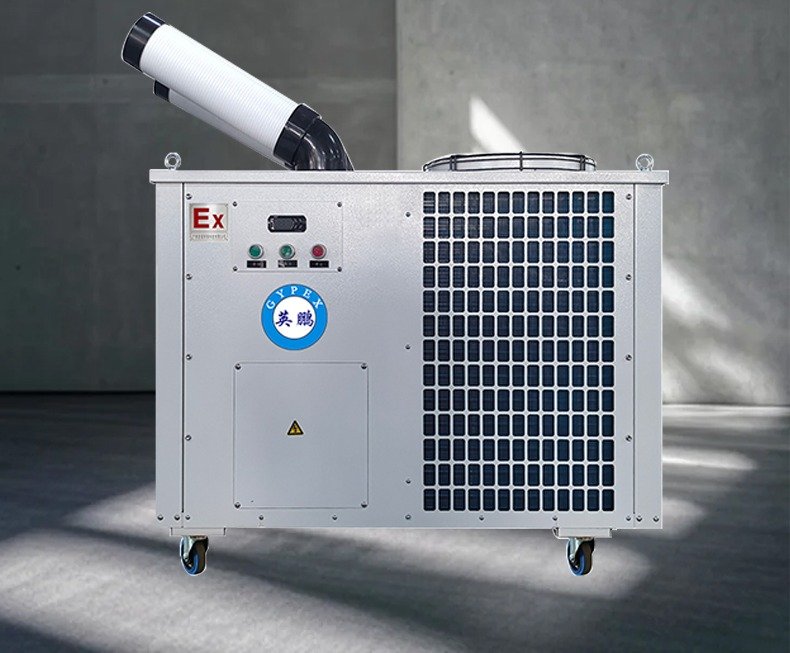
Every quarter, go deeper than the monthly routine. First, remove and wash the filters thoroughly. Second, clean the fan blades and coil fins. Third, inspect electrical terminals for heat discoloration. In addition, check all gaskets and flamepath surfaces for scratches or wear.
Test the condensate system under load. Confirm the drain pan has no standing water. Meanwhile, check the control settings against the original commissioning record. Any change could indicate a sensor fault.
Finally, review the unit logbook. Compare running hours, trips and repairs. As a result, you can spot degradation trends before they become failures.
Annual Maintenance and Certification Checks
Annual service should involve an authorized technician. The technician should verify the explosion-proof air conditioner maintenance record and certificate validity. They should also re-torque all flameproof fasteners to the manufacturer’s specification.
In addition, perform an insulation resistance test on the motor windings. Measure the refrigerant charge and superheat. Check the earth continuity value against the site standard. Finally, confirm the zone marking still matches the area classification. If the site classification changed, the unit may need replacement.
Keep all certificates and service reports on file. Inspectors often ask for them during audits. Therefore, a complete history is your best defense.
Parts and Spares to Keep in Stock
Spares prevent long downtime. Keep filters, gaskets and fan belts on site. In addition, stock condensate pumps if the model uses one. These small parts fail most often. Therefore, they deserve the highest priority.
Store spares in a dry, clean area. Label them with the unit model. As a result, technicians find parts quickly during breakdowns. In contrast, unlabeled stock causes confusion and delays.
Check spare part shelf life. Rubber gaskets age even in storage. Therefore, rotate the stock yearly. For these reasons, a small spares cabinet pays for itself many times over.
Special Considerations for Portable and Cabinet Units
Portable units need duct checks. Inspect ducts for cuts and kinks. In addition, verify wheel locks and stability before operation. A loose duct can blow hot air back into the work area.
Cabinet units need condenser coil cleaning. Coils clog faster near dust sources. Therefore, adjust the schedule for your environment. In addition, check cabinet door seals. Damaged seals admit humid air and reduce cooling.
Maintenance Records and Audits
Good records support audits. Log every check, repair and part change. Include dates, names and readings. Consequently, inspectors can verify compliance quickly.
Digital logbooks work well. They prevent lost paperwork. In addition, they flag overdue tasks automatically. Overall, documentation is part of explosion-proof air conditioner maintenance, not an optional extra.
Warning Signs That Need Immediate Attention
- Oil stains on refrigerant joints usually mean a leak.
- Hissing sounds from the cabinet indicate a refrigerant escape.
- Frequent tripping points to electrical or thermal faults.
- Corrosion on flameproof surfaces weakens explosion protection.
- Loose covers can break the flamepath and void certification.
In any of these cases, stop the unit. Isolate the power. Then call a qualified service provider. In contrast, ignoring these signs risks a serious incident.
Maintenance Planning Tips
First, schedule maintenance around production windows. Second, keep spare filters and gaskets in stock. Third, train two operators per unit. In addition, use a digital checklist. It creates an audit trail and reduces missed steps.
For harsh environments, shorten the intervals. Coastal sites need more frequent corrosion checks. Chemical plants need more filter changes. Dusty operations need weekly filter inspections. Overall, adapt the schedule to your site conditions.
Seasonal Preparation
Summer loads stress the cooling system. Therefore, prepare before the hot season. Clean the condenser coil. Check the refrigerant charge. In addition, verify the thermostat calibration. These steps reduce breakdowns during peak weeks.
Winter brings different risks. Some sites shut units down. In that case, drain the condensate system. Cover the outdoor parts. As a result, frost damage stays low. For these reasons, seasonal checks are part of explosion-proof air conditioner maintenance.
Training Your Operators
Trained operators spot faults early. Therefore, train every operator on the monthly checklist. In addition, teach them to record readings. Consequently, trends become visible to the maintenance team.
Run refresher training yearly. In contrast, untrained staff may mask early warnings. For example, they might restart a tripped unit repeatedly. In that case, the fault grows. Overall, training protects both people and equipment.
Finally, review the schedule after each audit. Adjust intervals based on findings. In addition, share lessons across sites. A robust explosion-proof air conditioner maintenance program improves every year.
In addition, check the refrigerant sight glass if fitted. Bubbles indicate low charge. Therefore, top up only after finding the leak.
Regular service also preserves cooling efficiency. A clean unit cools more with less energy. Therefore, maintenance pays for itself. In addition, it extends the interval between major repairs.
Spare Parts Rotation
Rotate spares to avoid aging stock. Use the oldest parts first. In addition, label every item with its storage date. As a result, gaskets stay fresh when needed.
Review the spare list annually. Remove obsolete parts. Add new wear items. Consequently, the stock matches the installed fleet. Overall, spare management supports smooth maintenance.
Moreover, keep the logbook digital. Photos and readings create a clear record. Therefore, audits run faster. In addition, trends become visible early. This discipline defines good explosion-proof air conditioner maintenance.
FAQ
How often should I replace the air filters?
Clean them monthly and replace them quarterly. In dusty or chemical environments, replace them more often.
Can local technicians service an explosion-proof air conditioner?
Only trained technicians should open a flameproof enclosure. Ask for proof of training before any deep service.
Does maintenance void the explosion-proof certification?
No, if the work follows the manufacturer’s manual and uses approved parts. Unauthorized modifications, however, can void it.
What happens if I skip annual checks?
Cooling performance drops and protection may degrade. In addition, insurance and audit claims become harder to defend.
Should I service the unit before the hot season?
Yes. Pre-season service reduces failures during peak demand. Schedule coil cleaning and refrigerant checks first.
Conclusion
Reliable cooling depends on disciplined care. A structured explosion-proof air conditioner maintenance program keeps units certified and efficient. In conclusion, schedule the checks, document the results and fix issues early.
Need service guidance for your units? Write to sales@blockchain-miner.com. Our team can share maintenance manuals and spare-part lists for the BFKT wall-mounted, BFKG cabinet and BFLQ portable series.